When I was a young participant growing up in a school with a wide diversity of different ethnicities and a school that mixed different genders has allowed myself the opportunity to gain a vast experience of what good practice looks like for diversity, equality, and inclusio
The experiences which I gained include understanding the different attitudes that we had as students such as this is more of a girls sport or this isn’t for girls or even insert name cant play this game very well lead to the understanding of how important the role of a teacher is to ensure equality, diversity and inclusion take place. What I also learnt as a student was that everyone sees sport in a different light and so the attitude which I had as a participant of loving sport and always wanting to do so is different to say a friend of mine called Misha who does not like sport or feels the sport is too rough. So, whilst being the participant being placed in situations like the one stated, it allowed me to understand from an early age that not everyone likes sport and that it can be challenging to say the least to make sure that everyone has equal opportunities, that everyone is included and the activities that the children take part in are diverse. Furthermore, a lesson that I learnt as a participant is that no matter what game you are playing everyone can be involved and so be inclusive, be nice be kind and allow people to flourish because its all part of growing up and using these experiences for the greater good.
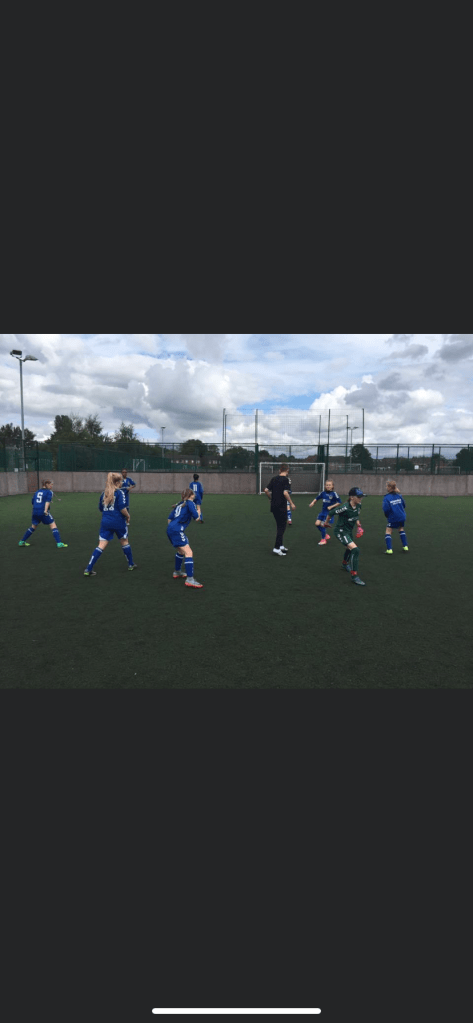
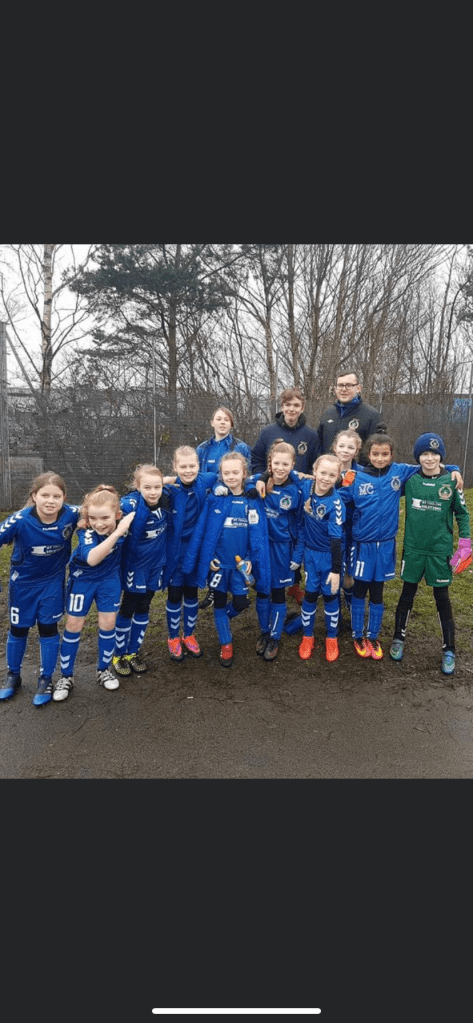
As a coach I learnt about diversity, equality and inclusion is that no matter the activity big or small there is always a way that you can change or manipulate a rule, the size of the area or even the task itself to be more inclusive and more challenging. By this I mean is that on previous experiences say you have a participant who isn’t well, may be disabled or may have something which the coach may perceive as a challenge, during the session they still have a role to play, the still can take part and this doesn’t mean that we give them a role as an official. This comes after a speech that was given at uni during a course on diversity where a volunteer in a wheelchair spoke about their experiences growing up on how they wanted to be included in sport but the activities were never adapted or manipulated and so he was given an officiating role which left him in tears because he loved the sport and only wanted to play it. Furthermore my experiences i received as a coach changed my perception on different sports, the different attitudes and the different approaches i can take, as seen in the photos i coach an under 14’s girls football team. football is predominantly seen as a male sport and is suggested that females shouldn’t be allowed to play the sport this experience i gained coaching this team allowed me to see ways that diversity, equality and inclusion is vital to help young people, give them opportunities and allow them to flourish
The important role we play as the coach, teacher and leader of a session is crucial in planting a seed of what good practice of equality diversity and inclusion looks like and so with this information I feel it is vital that every session ran by myself as a coaching is adaptable, challenging and is diverse enough that people feel involved. As a coach I also want the session to be challengeable and what I mean by this is I want participants to feel that they can ask questions or even propose changes to be more inclusive to every individuals needs and so i will use the information gathered over my 21 years of playing, watching and coaching sport to make sure that in the future when i plan sessions they are inclusive, promote equality and are diverse
 Sports Coaching Practice 2